Exploring the Art of Dyeing Footwear for Customization
Dyeing footwear can breathe new life into old shoes, transforming them into unique fashion statements. This article explores the art of dyeing footwear, focusing on high-quality materials, techniques, and customization options available at restoration studios.
Understanding the Basics of Footwear Dyeing
Dyeing footwear involves altering the color of the material using specific dyes that are compatible with the shoe's fabric. According to industry experts, this process not only allows for personalization but also can enhance the aesthetic value of the shoes. The key principle behind dyeing is color absorption, which varies by material type. Leather, for instance, often absorbs dyes differently compared to synthetic materials, making it crucial to choose dyes that suit the material properties.
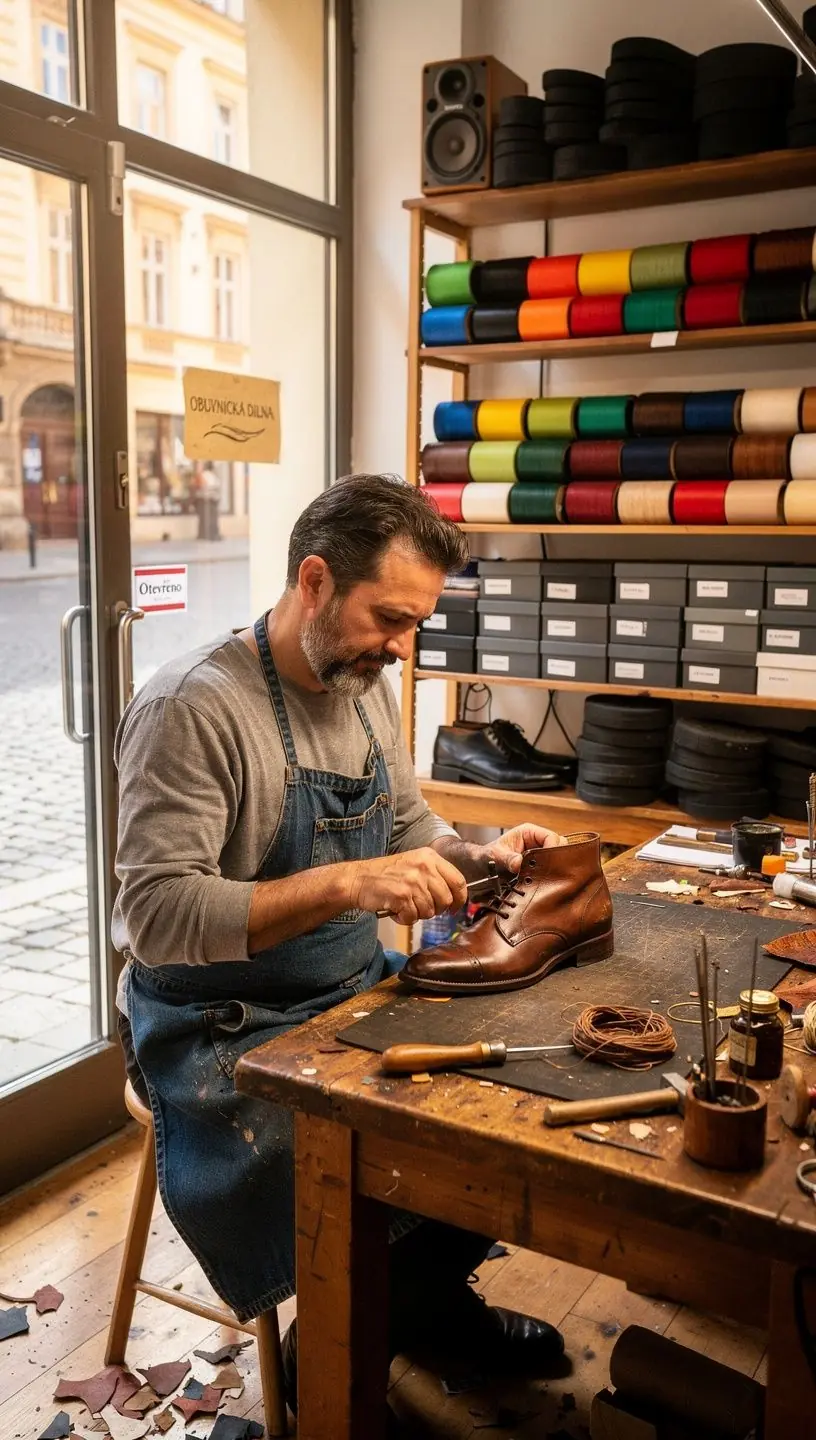
"The right dye can significantly enhance the visual appeal of footwear, provided it is applied correctly according to material specifications."
Materials and Techniques for Effective Dyeing
Many users report successful footwear dyeing when they use high-quality, professional-grade dyes. Here are some effective techniques:
- Preparation: Shoes should be thoroughly cleaned to remove any dirt or oils that may prevent dye absorption. This step typically takes about an hour.
- Color Matching: It is essential to test dyes on small, inconspicuous areas to ensure the desired color is achieved. Experts recommend doing a spot test prior to full application.
- Application: Use a soft brush or sponge to apply the dye evenly, working in small sections to avoid streaks. This method is proven to yield more consistent results.
Challenges and Considerations
While dyeing can transform footwear, it does come with limitations. The process can take time, usually requiring a commitment of several hours to days, depending on the complexity of the project. Additionally, certain dyes may not adhere well to all materials; for example, while leather often holds dye effectively, synthetic materials may not yield the same results.
Furthermore, the long-term durability of dyed footwear can vary. Footwear dyed with high-quality materials typically lasts longer, but wear and environmental factors can affect color retention. Therefore, it is advisable to apply protective sprays and regularly maintain the shoes.
Conclusion
Dyeing footwear is a rewarding way to customize and restore shoes, allowing for personal expression and creativity. By understanding the materials and techniques involved, and acknowledging the potential challenges, shoe owners can achieve satisfying results. Whether restoring a beloved pair or creating something entirely new, the art of dyeing provides a unique opportunity to enhance footwear.