The Science Behind Adhesives Used in Shoe Repairs
In the world of footwear restoration, the choice of adhesive can significantly affect the longevity and quality of repairs. This article explores the different types of adhesives used in shoe repairs, their properties, and how they contribute to effective restorations.
Understanding Adhesives in Shoe Repairs
Adhesives play a crucial role in shoe repair, acting as bonding agents that hold various materials together. According to industry standards, the most commonly used adhesives in shoe repairs include polyurethane, rubber cement, and cyanoacrylate (super glue). Each type has unique properties that make it suitable for specific applications.
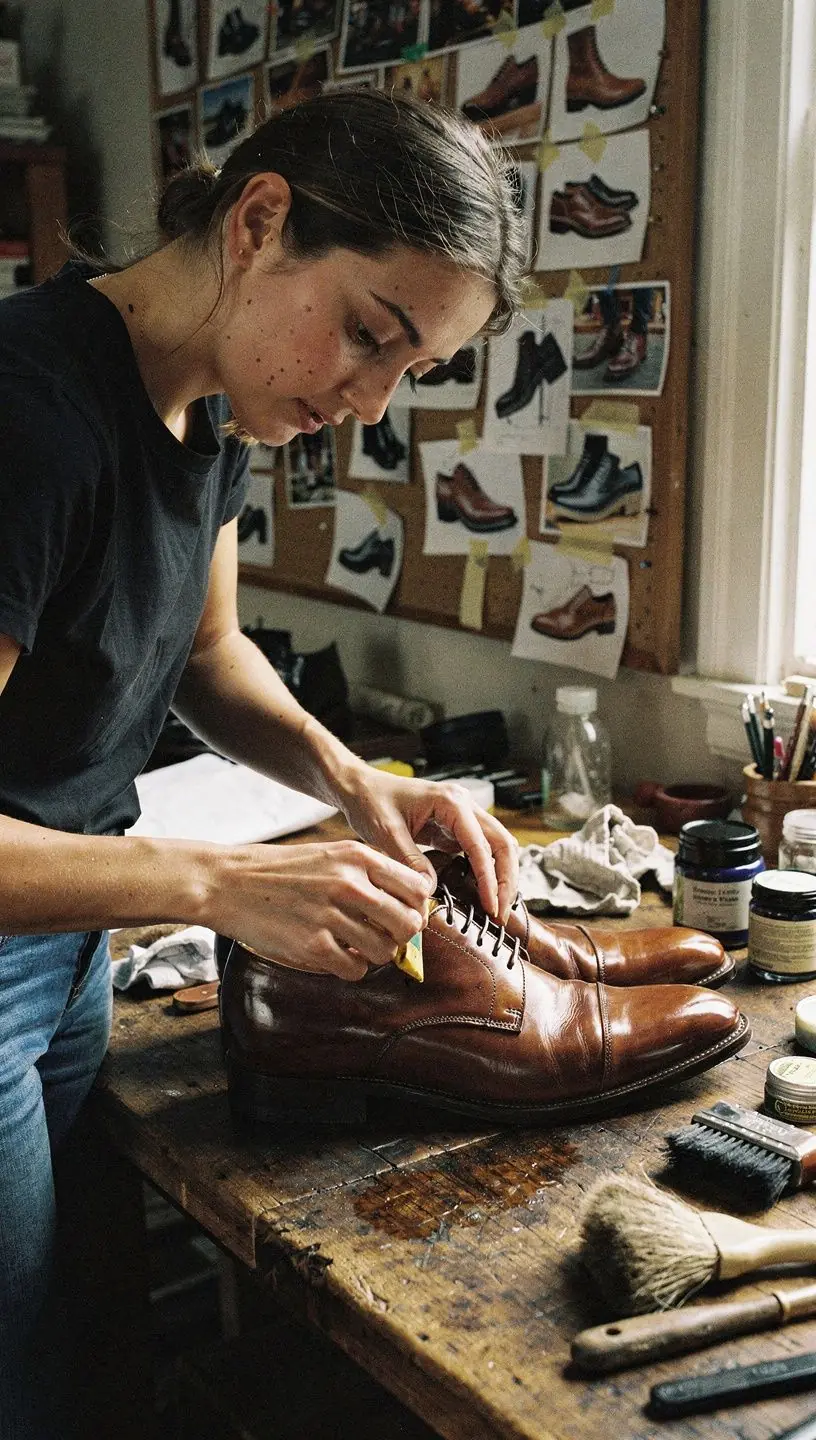
Types of Adhesives
- Polyurethane: Known for its flexibility and strong bonding capabilities, polyurethane is often utilized for sole replacements. It typically cures in 24 hours, providing a durable bond under various conditions.
- Rubber Cement: This adhesive is favored for its ease of use and ability to create a temporary bond. It is often used for quick fixes but may not provide the long-lasting results needed for extensive repairs.
- Cyanoacrylate: Commonly referred to as super glue, cyanoacrylate is ideal for small repairs due to its fast-setting properties. However, its rigidity can be a disadvantage in applications requiring flexibility.
"The choice of adhesive can significantly influence the durability of shoe repairs, with different materials requiring tailored solutions." – Industry Expert
The Science Behind Adhesion
The effectiveness of an adhesive comes down to its chemical composition and how it interacts with the materials being bonded. For instance, polyurethane adhesives bond by forming a chemical reaction with moisture in the air, leading to a strong cross-linking structure. This works particularly well on materials like rubber and leather, which are commonly found in shoes.
Factors Influencing Adhesive Performance
Several factors can affect how well an adhesive performs, including:
- Surface preparation: Clean, dry surfaces typically allow for better adhesion.
- Environmental conditions: Temperature and humidity can impact curing times and bond strength.
- Material compatibility: Using an adhesive that is suited for the specific materials involved is essential for a successful repair.
Best Practices for Shoe Repairs
When undertaking shoe repairs, following best practices can significantly enhance repair outcomes. Experts recommend:
- Choosing the right adhesive based on the materials and intended use of the shoe.
- Preparing surfaces adequately by cleaning and roughening them to improve adhesion.
- Allowing sufficient curing time as indicated by the adhesive manufacturer, which can vary from a few hours to a couple of days depending on the product.
Conclusion
Understanding the science behind adhesives used in shoe repairs can greatly improve repair success rates. By selecting the appropriate adhesive, preparing surfaces properly, and following recommended practices, you can achieve effective and long-lasting results. While there are many factors to consider, an informed approach to adhesive selection and application can enhance the overall quality of footwear restoration.