Analyzing the Environmental Impact of Shoe Restoration
In an age where sustainability is increasingly vital, understanding the environmental impact of shoe restoration is essential for consumers and businesses alike. This article explores how restoring footwear can contribute to a more sustainable future while maintaining quality and performance.
Understanding the Basics of Shoe Restoration
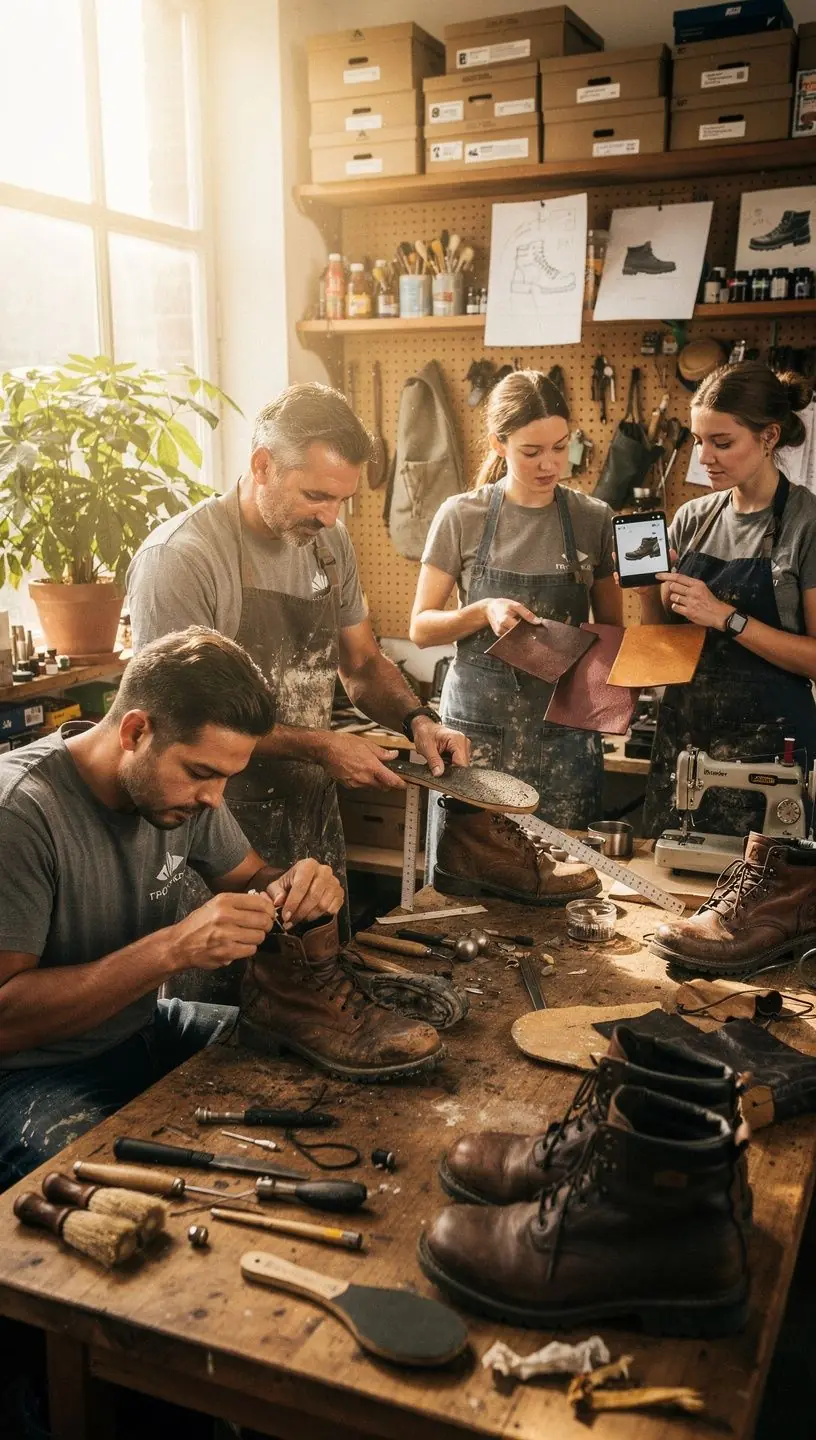
Shoe restoration involves repairing and revitalizing worn-out footwear, often using high-quality materials and techniques. According to industry experts, restoring shoes can significantly reduce waste, as it extends the lifespan of products that would otherwise end up in landfills. The principle behind this is straightforward: by repairing rather than discarding, we minimize our environmental footprint.

"A single pair of shoes can take over 30 years to decompose in a landfill, making restoration a crucial step towards sustainability."
The Environmental Benefits of Shoe Restoration
Restoring shoes offers several environmental advantages:
- Waste Reduction: Shoe restoration typically prevents the disposal of footwear, reducing the volume of waste in landfills. Research indicates that footwear accounts for approximately 7% of total waste in some regions.
- Resource Conservation: By restoring shoes, we decrease the demand for new materials. Manufacturing new shoes consumes significant resources, including water and energy. The sustainable practice of restoration can help decrease this consumption over time.
- Lower Carbon Footprint: Studies show that the carbon emissions associated with producing a new pair of shoes are often higher than those involved in restoring existing footwear. This means that restoration can be a more environmentally friendly option.
Challenges and Limitations
While the benefits of shoe restoration are clear, it is essential to acknowledge some limitations:
- Restoration typically requires a time commitment, often taking 2-4 weeks depending on the extent of the damage and the restoration process involved.
- Not all shoes are suitable for restoration. For instance, severe damage to structural components may render a shoe unrepairable.
- Restoring shoes can sometimes involve a learning curve, especially for those who are new to the process. It is advisable to consult with professionals to achieve the best results.
Practical Application of Shoe Restoration
For individuals and businesses, here are some practical steps to implement shoe restoration:
- Assess the condition of your shoes. Identify areas that need repairing or restoring and determine if it is worth the investment.
- Choose a reputable restoration service that uses high-quality materials and sustainable practices. Many users report better satisfaction when they select services specializing in eco-friendly options.
- Consider customization options to suit your style while contributing to sustainability. Customization can enhance the longevity and personal enjoyment of your footwear.
Conclusion
In summary, shoe restoration presents a viable path towards reducing environmental impact and promoting sustainable practices in the footwear industry. By opting for restoration over disposal, consumers can play a significant role in minimizing waste and conserving resources. As awareness grows, we encourage everyone to consider shoe restoration as an effective and eco-friendly alternative to buying new shoes.
Learn More