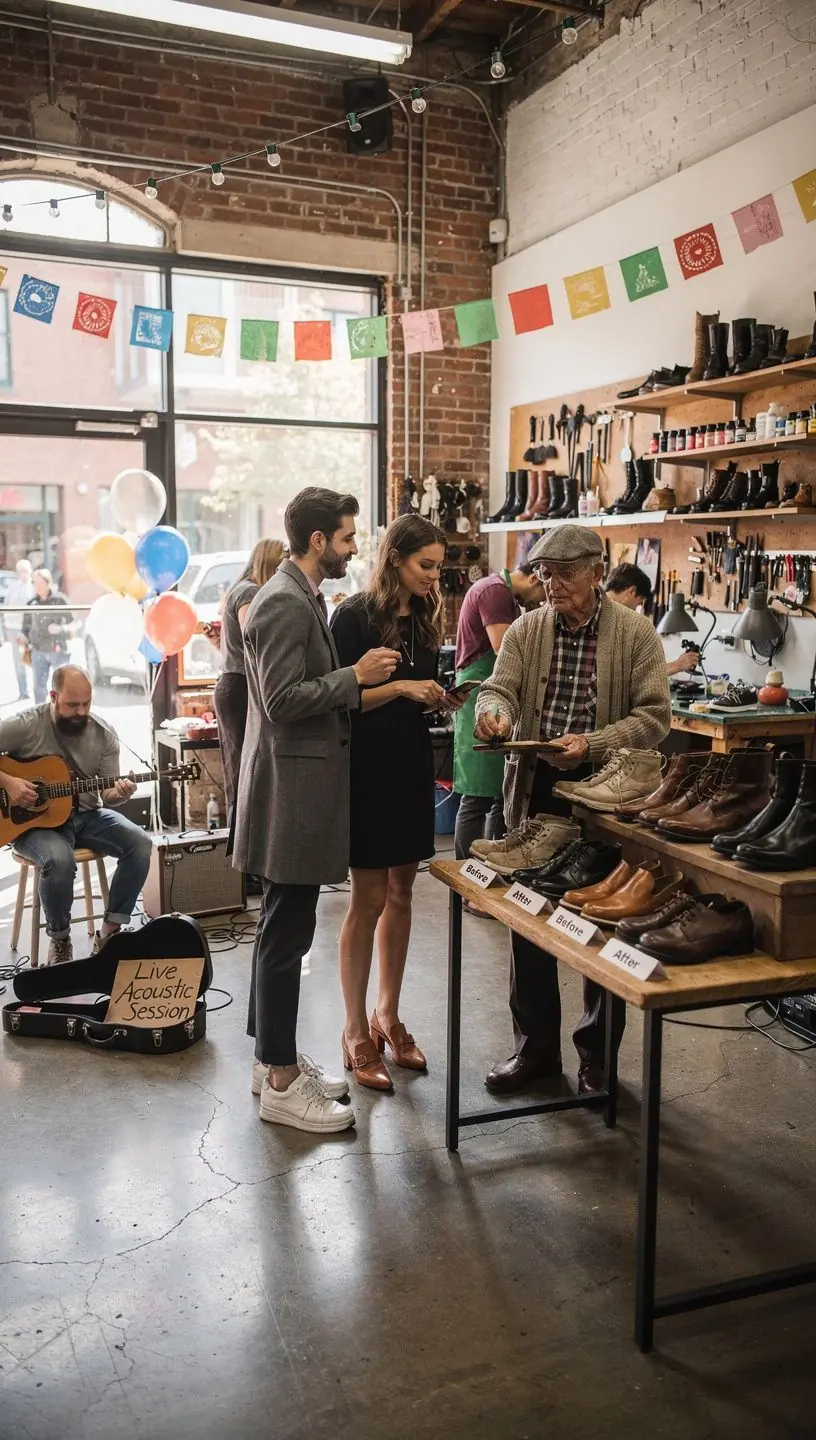
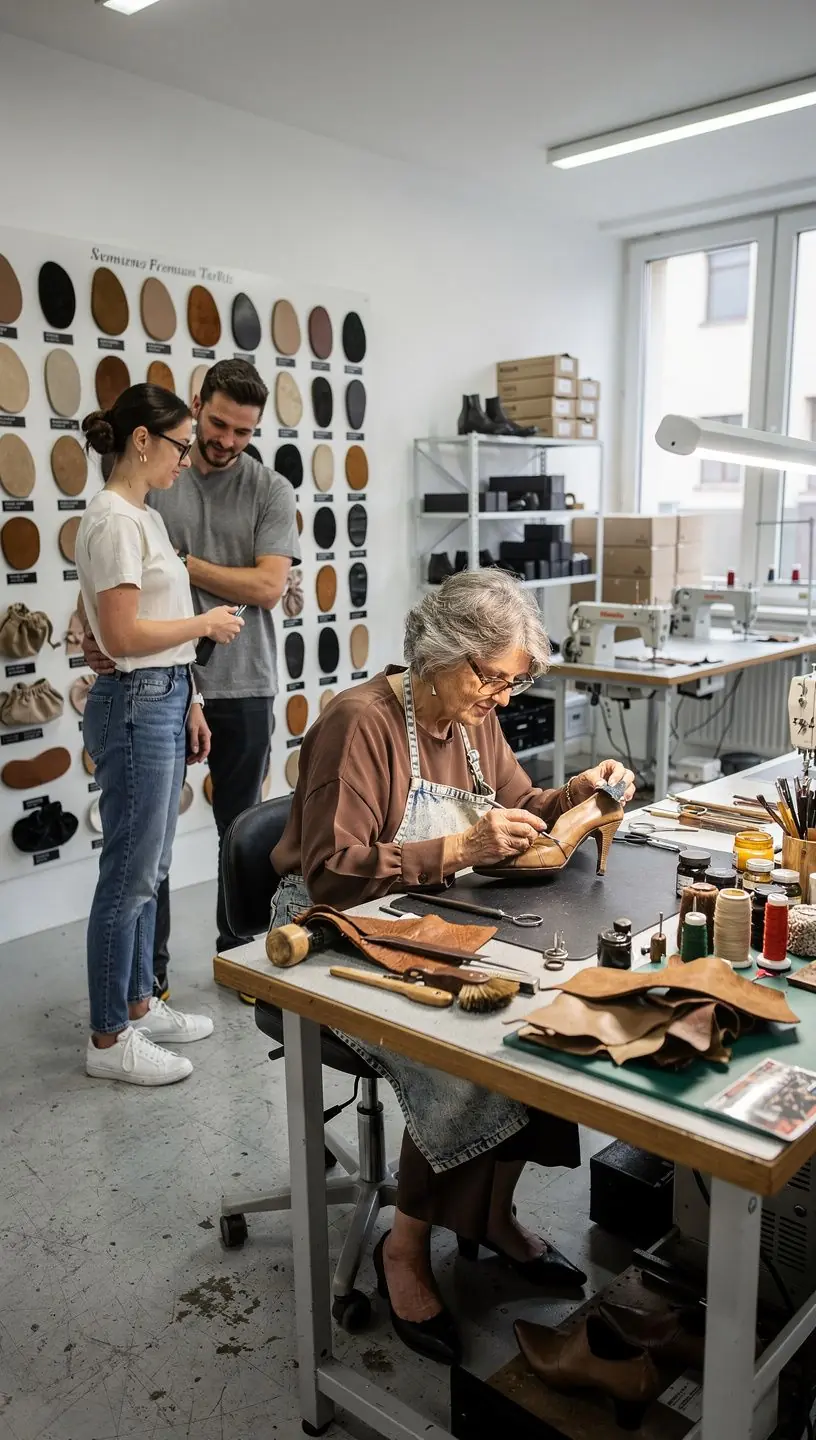
Essential Tools for Effective Shoe Restoration
Restoring footwear can be a rewarding endeavor, allowing you to breathe new life into worn-out shoes. Whether you’re a professional cobbler or a DIY enthusiast, having the right tools is crucial for effective shoe restoration. This article will guide you through essential tools and their applications, helping you achieve satisfactory results.
Understanding the Basics of Shoe Restoration
Shoe restoration typically involves cleaning, repairing, and refurbishing footwear using various techniques and materials. According to industry experts, the effectiveness of restoration can be significantly influenced by the tools used. For instance, high-quality tools often yield better results, as they allow for precision and care in the restoration process.
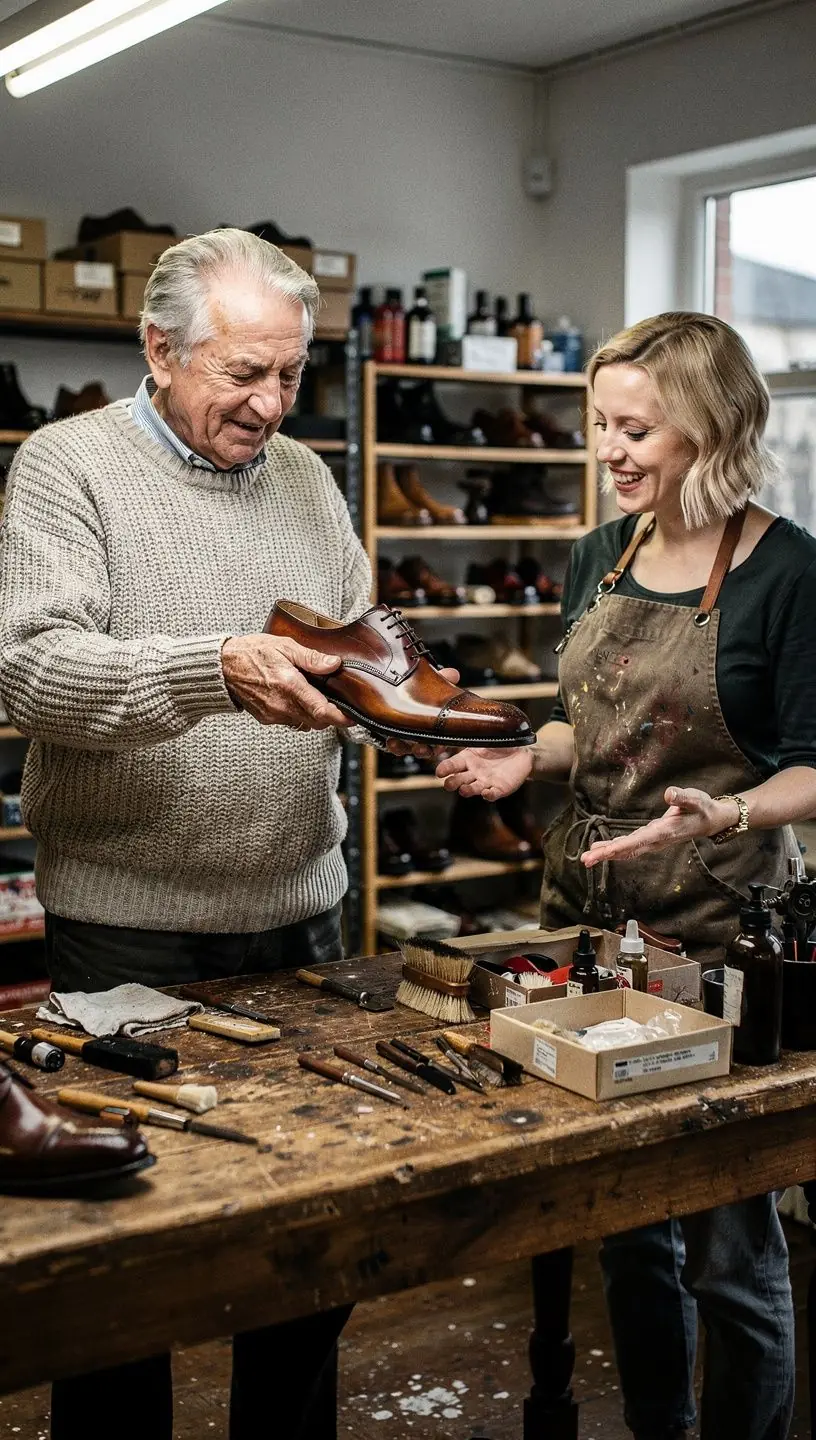
"Utilizing the right tools can enhance the durability and appearance of restored shoes, according to cobbling professionals."
Essential Tools for Shoe Restoration
The following is a list of essential tools that can help you in the shoe restoration process:
- Cleaning Brushes: A variety of brushes, including soft bristle and horsehair brushes, are vital for cleaning surfaces without damaging the material.
- Sole Replacement Kit: Typically includes a sole cutter, adhesive, and replacement soles. This kit is essential for restoring shoes with worn-out soles, which often requires precision for proper fitting.
- Leather Conditioner: Using a good-quality leather conditioner can help rejuvenate leather shoes, making them more supple and extending their lifespan. Experts recommend applying conditioner regularly.
- Edge Dressing: This tool is used to repair the edges of leather soles, providing not only aesthetic appeal but also protection against wear and tear.
- Shoe Trees: These help maintain the shoe's shape during and after the restoration process, often recommended by professionals to prevent future creasing.
How to Use These Tools Effectively
Understanding how to use these tools is just as crucial as having them. Here’s a brief overview of how to implement them in your restoration projects:
- Clean the Shoes: Begin by using cleaning brushes to remove dirt and debris. This step helps prepare the surface for further restoration.
- Apply Leather Conditioner: After cleaning, use a leather conditioner to nourish the material. This step often involves a gentle application, allowing the conditioner to penetrate the leather.
- Replace the Soles: If the soles are extensively worn, utilize a sole replacement kit. Ensure to follow the instructions carefully, as improper application can lead to misalignment.
- Finish with Edge Dressing: For a polished look, apply edge dressing to the sole edges. This step not only enhances appearance but also serves a protective function.
- Store with Shoe Trees: Once your restoration is complete, place shoe trees inside the shoes to maintain their shape and prevent creasing.
Conclusion
Investing in high-quality tools and understanding their application can significantly improve your shoe restoration results. While the process may take time and practice, the rewards of restoring your favorite footwear can be substantial. Remember to approach each project with care and patience, and consult industry resources for best practices. By prioritizing education and practicality, you can become proficient in the art of shoe restoration.