The Role of Leather in Footwear Longevity
Leather has long been celebrated for its durability and aesthetic appeal in footwear. Understanding the properties of leather can significantly impact the longevity of your shoes. This article explores how high-quality leather contributes to footwear durability, maintenance, and customization.
Understanding Leather Types and Properties
Leather is a natural material derived from animal hides, and its quality can greatly influence the lifespan of footwear. According to industry experts, the two primary types of leather used in shoes are full-grain and top-grain leather. Full-grain leather is considered the most durable because it retains the hide's natural texture and strength. In contrast, top-grain leather is sanded and treated for a smoother finish but may be less durable in high-wear situations.
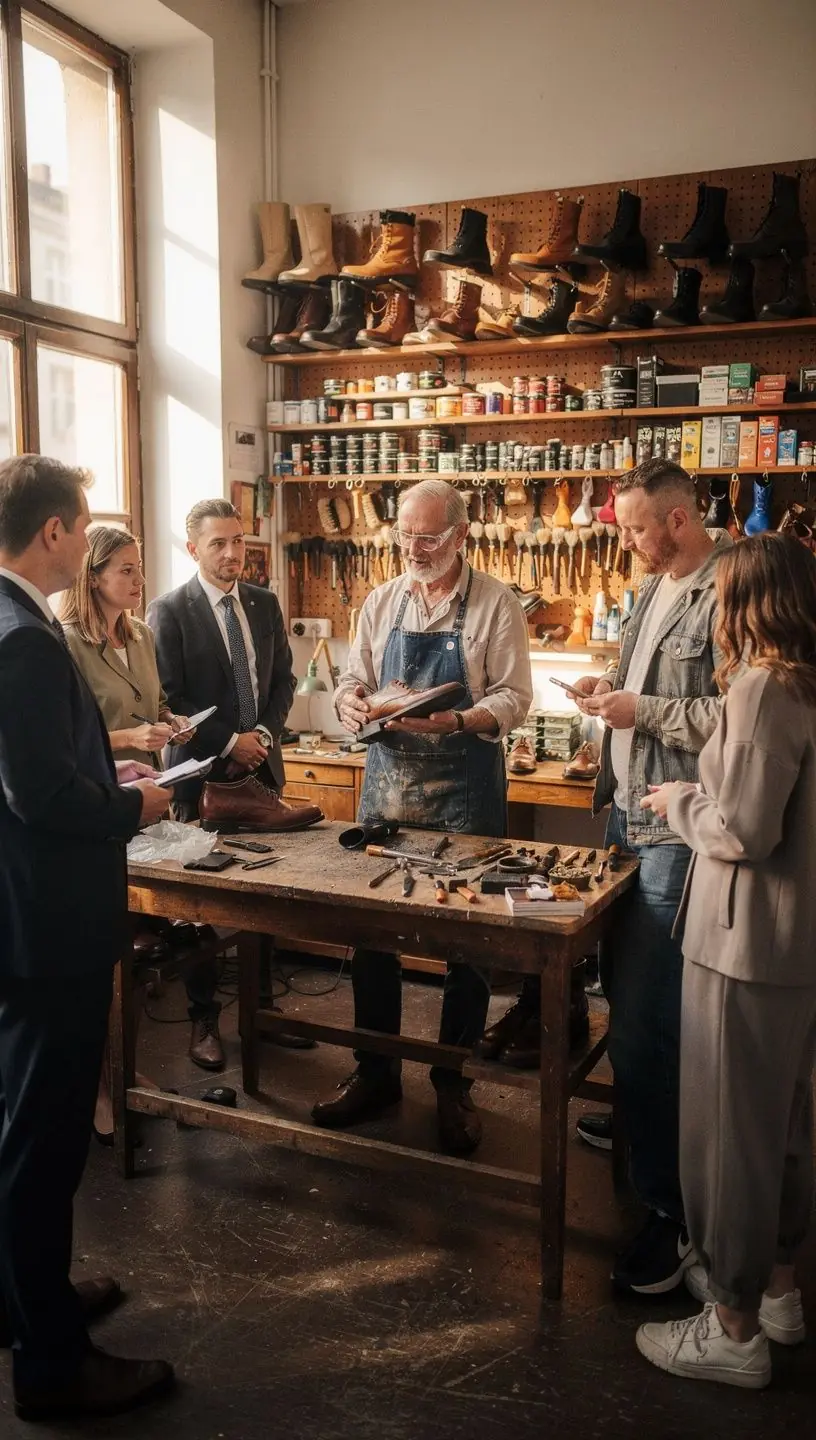
"High-quality leather not only looks good, but it also stands the test of time when properly cared for."
How Leather Affects Footwear Longevity
The longevity of footwear made from leather often depends on several factors:
- Resistance to Wear: Leather is known for its ability to withstand daily wear and tear. Research shows that shoes made from high-quality leather typically last longer than those made from synthetic materials, which can degrade more quickly.
- Breathability: Quality leather offers breathability, allowing moisture to escape. Shoes that trap moisture can lead to odor and deterioration. Proper ventilation is essential for maintaining the integrity of the material.
- Ability to Mold: Leather adapts to the shape of your foot over time, providing a custom fit. This not only enhances comfort but can also improve the shoe's performance and longevity.
Maintenance Practices for Leather Footwear
To maximize the lifespan of leather shoes, regular maintenance is crucial. Here are some recommended practices:
- Cleaning: Regularly clean your leather shoes with a soft cloth and a leather cleaner to remove dirt and grime.
- Conditioning: Apply a leather conditioner every few months to keep the leather supple and prevent cracking.
- Waterproofing: Consider using a waterproofing spray designed for leather to protect against moisture damage, especially in wet conditions.
Customization and Repair: Extending the Life of Your Footwear
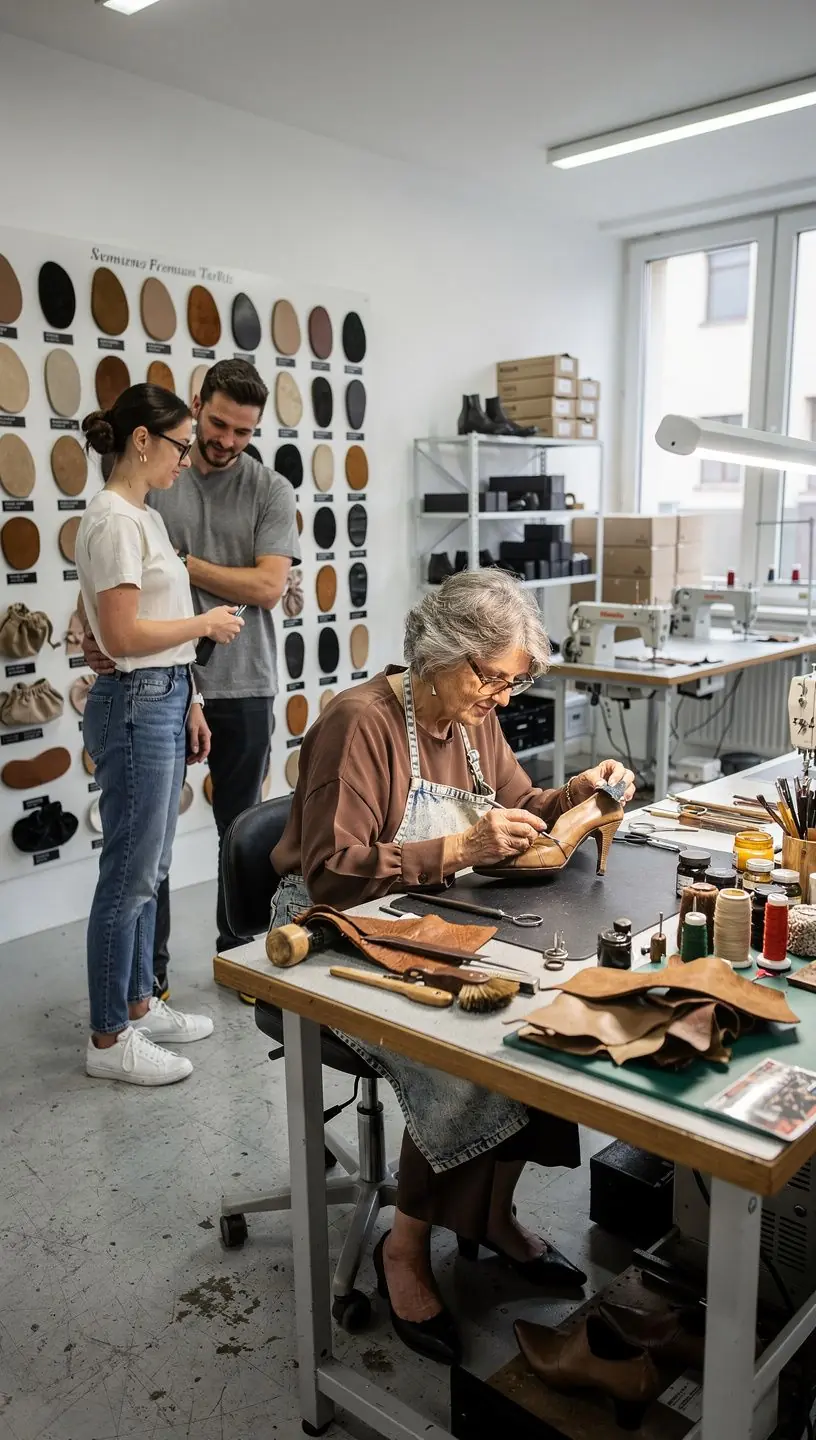
Customization options, such as sole replacement and personalized fittings, can also enhance the longevity of leather footwear. Experts recommend investing in sole replacement when the original sole begins to wear out, as this can significantly extend the life of your shoes. Custom adjustments can also help ensure that your footwear remains comfortable and functional.
Conclusion
In summary, understanding the role of leather in footwear longevity can help you make informed decisions about your shoes. By choosing high-quality leather, adhering to maintenance practices, and considering customization options, you can enhance the durability of your footwear. Remember, investing time and care into your leather shoes can lead to extended use and satisfaction, making them a worthwhile investment for your wardrobe.