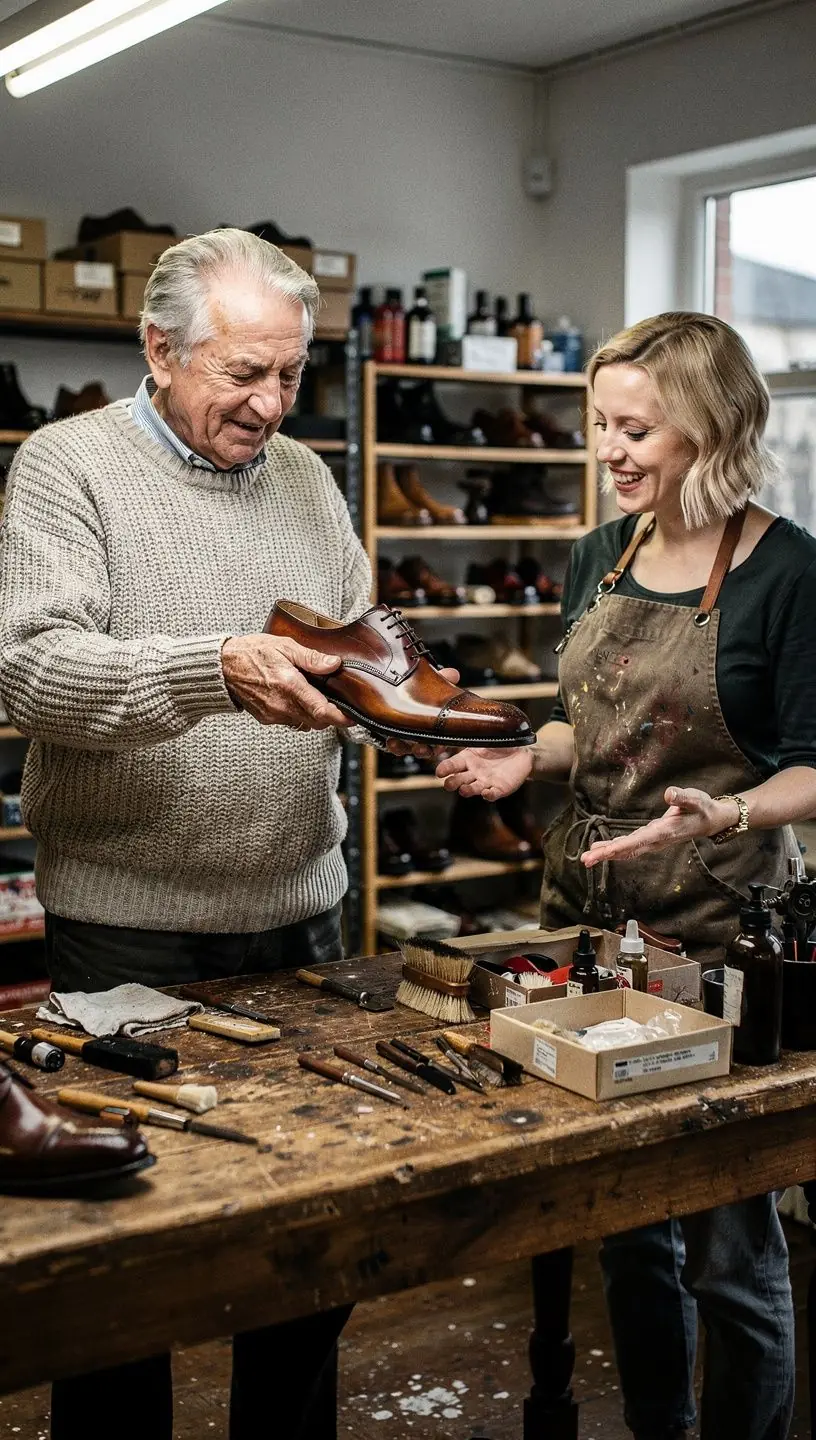
Exploring Different Types of Sole Replacement Options
When it comes to footwear, the sole plays a crucial role in comfort, support, and overall performance. Over time, wear and tear can necessitate a sole replacement. This article explores various sole replacement options, detailing their benefits, materials, and the processes involved.
Understanding Sole Replacement
Sole replacement is a common practice in footwear maintenance, particularly for high-quality shoes. According to industry standards, replacing worn soles can extend the life of your footwear significantly, often by several years. This is especially true for premium brands where the upper part of the shoe is still in good condition.

"Regular sole replacement can save you money in the long run by prolonging the lifespan of your favorite footwear."
Types of Sole Replacement Options
There are several types of sole replacement options available, each with its own unique characteristics:
- Leather Soles: A traditional choice for formal and dress shoes, leather soles offer excellent durability and a classic aesthetic. Experts recommend leather soles for their breathability and comfort, although they may require a breaking-in period.
- Rubber Soles: These are often used for casual shoes and can provide enhanced traction and shock absorption. According to research, rubber soles typically last longer in wet conditions compared to leather, making them a practical choice for everyday wear.
- Vibram Soles: Known for their ruggedness and grip, Vibram soles are popular in outdoor and athletic footwear. Many users report increased performance on rough terrains thanks to their specialized tread patterns.
The Sole Replacement Process
The process of sole replacement usually involves several steps:
- Assessment: A thorough examination of the shoe is conducted to determine the condition of the upper and the type of sole needed.
- Selection: Based on the assessment, a suitable material for the new sole is chosen, considering factors like durability, comfort, and intended use.
- Removal: The old sole is carefully removed without damaging the upper part of the shoe. This step requires skill and precision.
- Attachment: The new sole is then attached using industrial-grade adhesives or stitching methods, depending on the material.
This entire process typically takes 2-4 weeks, depending on the complexity of the job and the materials used. It's essential to choose a reputable restoration studio that follows industry best practices to ensure a quality finish.
Considerations for Sole Replacement
It’s important to note that not all sole replacement options are suitable for every type of shoe. Sole quality, shoe usage, and individual preferences all play a role in the decision-making process. For example, while leather soles are elegant for dress shoes, they may not be ideal for heavy rain or snow conditions.
Conclusion
In conclusion, understanding the various sole replacement options available can enhance your footwear experience and prolong the life of your favorite shoes. By choosing the right materials and processes, you can ensure that your shoes remain comfortable and stylish for years to come. If you're considering a sole replacement, consult with a professional restoration studio to get tailored advice and service.